
Welding Aluminum vs. Steel: Cost, Strength, and Use-Case Differences
Comparing Aluminum and Steel Welding for Projects in Lexington KY
Choosing between aluminum and steel is one of the most important decisions in any welding or fabrication project. Each material offers distinct advantages depending on strength requirements, budget, and environmental exposure. In Lexington KY, both aluminum and steel are commonly used for residential, commercial, and industrial welding applications.
This guide breaks down the key differences between welding aluminum and steel, including cost, strength, and real-world use cases. By the end, you’ll know which material is better suited for your project and when professional fabrication is recommended. For expert guidance and fabrication services, ASB Welding Pros works with clients across Lexington KY and surrounding areas.
Material Overview: Aluminum vs. Steel
Aluminum and steel behave very differently during welding. Aluminum is lightweight and corrosion-resistant, while steel is heavier and known for its strength and versatility. These differences directly affect fabrication methods, labor time, and overall performance.
Steel is generally easier to weld and more forgiving, making it a popular choice for structural components. Aluminum requires specialized equipment and experience, but offers advantages where weight and rust resistance are priorities. Understanding these fundamentals helps guide smarter material selection.
Cost Differences Between Aluminum and Steel Welding
Cost is often a deciding factor when choosing between aluminum and steel. Steel is typically more affordable due to lower material costs and simpler welding processes. Aluminum tends to cost more because it requires specialized welding techniques and higher skill levels.
Cost factors include:
Material price per pound
Welding labor and time
Equipment and consumables
Finishing and surface preparation
Projects that require precise fabrication often rely on metal welding and fabrication services in Lexington to balance cost efficiency with performance requirements.
Strength and Structural Performance
Steel is significantly stronger than aluminum in most structural applications. It offers higher tensile strength and better load-bearing capacity, making it ideal for gates, platforms, and industrial frameworks. Steel also performs well under repeated stress and heavy use.
Aluminum, while not as strong, has an excellent strength-to-weight ratio. This makes it suitable for applications where reducing weight is critical. However, aluminum structures may require thicker sections or reinforcement to match steel’s strength in demanding environments.
Corrosion Resistance and Environmental Exposure
One of aluminum’s biggest advantages is its natural resistance to corrosion. Aluminum forms an oxide layer that protects it from rust, making it ideal for outdoor or high-moisture environments. This is especially useful in areas exposed to rain, humidity, or chemicals.
Steel is more vulnerable to rust if left untreated. In Lexington KY’s changing climate, steel components often require protective coatings or paint. Many projects incorporate metal powder coating and painting services in Lexington to extend lifespan and improve appearance.
Common Use Cases for Steel Welding
Steel is the preferred material for applications requiring durability and structural integrity. Its strength and versatility make it suitable for a wide range of projects.
Common steel welding applications include:
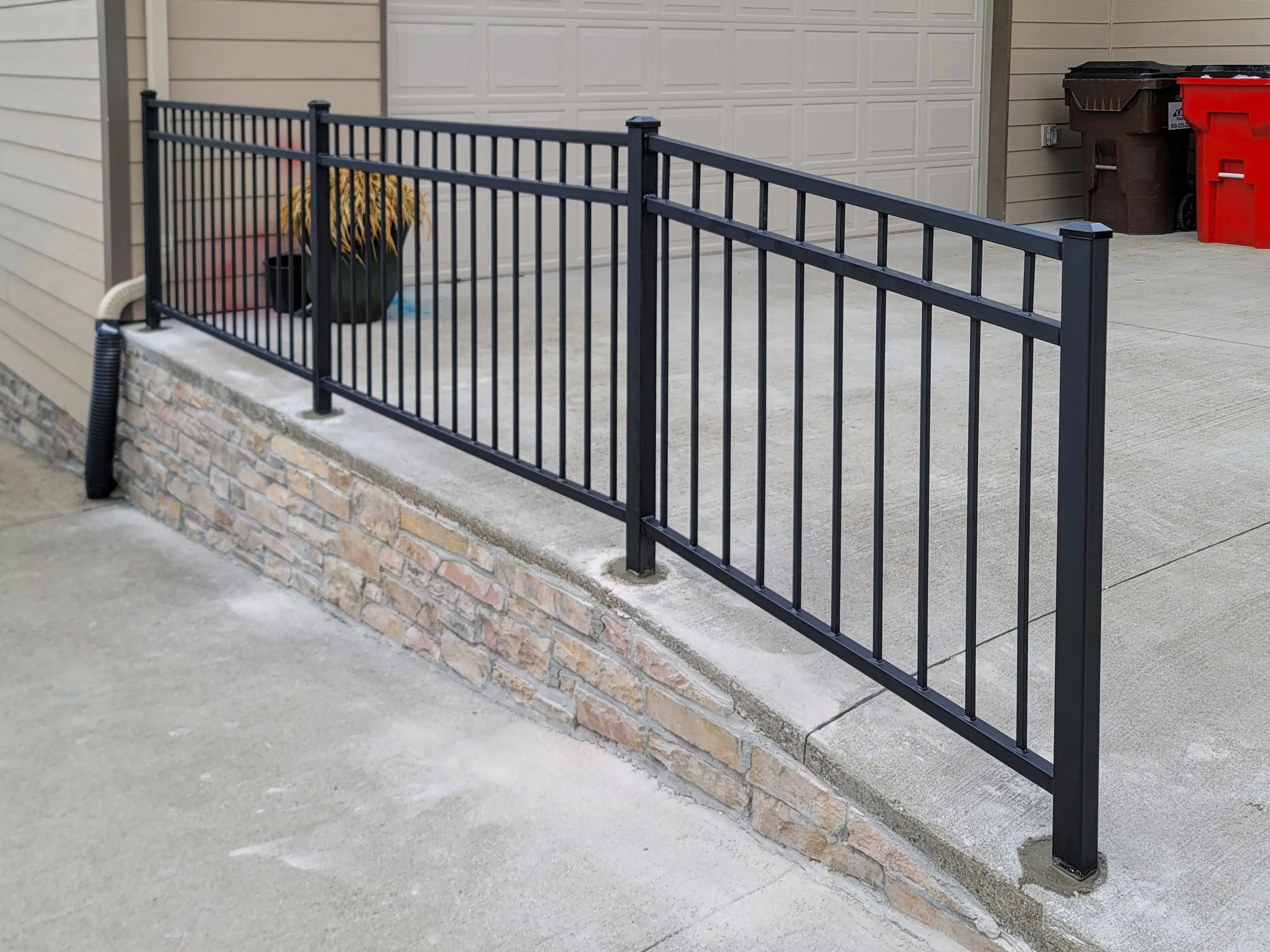
Metal railings and staircases
Gates and fence systems
Platforms and load-bearing frames
Commercial and industrial structures
Projects involving structural components often align with commercial and industrial welding services in Lexington due to steel’s reliability under heavy loads.
Common Use Cases for Aluminum Welding
Aluminum is commonly used when weight reduction and corrosion resistance are top priorities. While it requires more specialized welding techniques, aluminum performs well in specific applications.
Typical aluminum welding uses include:
Decorative railings and panels
Lightweight gates or enclosures
Truck and trailer components
Marine or outdoor equipment
Vehicle-related projects may also involve truck and trailer repair and modification services in Lexington, where aluminum helps reduce overall weight without sacrificing functionality.
Welding Difficulty and Skill Requirements
Steel is generally easier to weld because it tolerates heat well and is less sensitive to contamination. Aluminum, on the other hand, requires precise temperature control and thorough surface preparation to avoid defects.
Aluminum welding also demands specialized equipment and experienced technicians. Improper technique can lead to weak welds or cracking. For this reason, aluminum projects should always be handled by professionals familiar with the material’s unique properties.
Choosing the Right Material for Your Project
The right choice depends on how the finished product will be used. Steel is usually best for strength-driven applications, while aluminum excels in lightweight or corrosion-prone environments.
Steel may be the better option if:
The structure supports heavy loads
Cost efficiency is a priority
Long-term durability is critical
Aluminum may be ideal if:
Weight reduction matters
The project is exposed to moisture
Corrosion resistance is essential
Custom projects often benefit from custom order metal fabrication in Lexington to ensure the selected material meets performance and budget goals.
Work With a Local Welding Expert in Lexington KY
Selecting between aluminum and steel isn’t always straightforward. Each project has unique requirements related to strength, environment, and long-term use. Professional guidance ensures the right material is chosen and welded correctly.
ASB Welding Pros provides aluminum and steel welding services throughout Lexington KY, offering expertise across residential, commercial, and industrial applications. Their experience helps clients avoid costly mistakes and achieve long-lasting results.
Get Professional Welding Help Today
Understanding the differences between aluminum and steel welding helps you make smarter decisions for your project. From cost considerations to strength requirements, choosing the right material impacts performance and longevity.
If you need expert welding or fabrication services in Lexington KY, contact ASB Welding Pros today. Visit the contact page to request a quote or discuss your project with experienced professionals.
Related Articles: